കീർത്തനം-ഈശ മഹേശാ ശംഭോ
|
ഈശ മഹേശാ ശംഭോ
രാഗം - രാഗമാലിക (ആരഭി/ ഖമാസ്)
താളം - ത്രിപുട
കീർത്തനം
ദേവത - ശിവൻ
രചന -
|  | Eesha Mahesha Shambho
Ragam - Ragamalika (Aarabhi/Khamas)
Thaalam - Tripuda
Keerthanam
Deity - Shiva
Lyrics -
|
|പല്ലവി|
ഈശ മഹേശാ ശംഭോ ദയാപര
പാർവതി പ്രാണനാഥാ
|അനുപല്ലവി|
കൈലാസ വാസ കരികല്മഷപദ
കൈവല്യ മൂർത്തേ കരുതുന്നെ നിൻ പാദം
(ഈശ മഹേശാ...)
|ചരണം-1|
ആശ്രുവൃക്ഷാൻ മണി മേകലയും
പുലിത്തോലും ഉടയും തുടയും മുഴം കാലിണ
ഗംഗയുഗ പദ പങ്കരുഹാംനക
പന്തിയുമെങ്കൽ കണ്ടിടുമാറാകേണം
(ഈശ മഹേശാ...)
|ചരണം-2|
അമ്പിളിയും നല്ലൊരണികൂമ്പ ചാമ്പലും
പാമ്പുമെലിമ്പും വിധിമുണ്ട മാലയും
കണ്ണിൽ കനലും കഴുത്തിൽ കിരളവും
ചെഞ്ജിഡയും നെഞ്ചിൽ കാണുമാറാകേണം
(ഈശ മഹേശാ...)
|ചരണം-3|
മന്ദസ്മിതവും മഴുവും മറിമാനും
മാലയും മത്ത മദാങ്കജ ചർമ്മവും
മാനിനി മൗലി മലമകൾ മാനിച്ച
വാമഭാഗ മമ കാണുമാറാകേണം
(ഈശ മഹേശാ...)
|ചരണം-4|
ചണ്ഡിശ നിന്നുടെ ചന്ത ചരങ്ങളും
മണ്ഡലി കുണ്ഡലം പൂണ്ടു വിളങ്ങുന്ന
കർണ്ണയുഗം കൊണ്ട് മിന്നുന്ന കണ്ഠങ്ങൾ
ഇണ്ടൽ കൂടാതേ കണ്ടിടുമാറാകേണം
(ഈശ മഹേശാ...)
| |Pallavi|
Eesha Mahesha Shambho Dayapara
Parvathi Prananatha
|Anupallavi|
Kailasa Vasa Karikalmasha Para
Kaivalya Murthe Karuthunne Nin Padham
(Eesha Mahesha...)
|Charanam - 1|
Ashruvrikshan Mani Mekalayum
Pulitholum Udayum Thudayum Muzham Kalina
Gangayugam Padha Pangkaruha Naga
Panthiyum Engal Kandidhumaar Aagenam
(Eesha Mahesha...)
|Charanam-2|
Ambiliyum Nalloroani Thumba Champalum
Paambumel Eambum Nidhimunda Maalayum
Kannil Kanalum Kazhuthil Giralamum
Chenjidayum Nenchil Kaanumaaraagenam
(Eesha Mahesha...)
|Charanam-3|
Mandasmithavum Mazhuvum Marimaanum
Maalayum Ottha Maatthanga Charmavum
Maanini Mauli Malamakal Maanicha
Vaamabhaagam Mama Kaanumaar Aakanam
(Eesha Mahesha...)
|Charanam-4|
Chandeesha Ninnude Chanda Charangalum
Mandali Kundalam Poondu Vilangunna
Karanayugam Kondu Minnunninga Kandhangal
Indal Koodaathe Kandidhumaaraagenam
(Eesha Mahesha...)
| |

| Singer : Chottanikara Subhash Marar
| Audio reference :
 |
Meaning
|
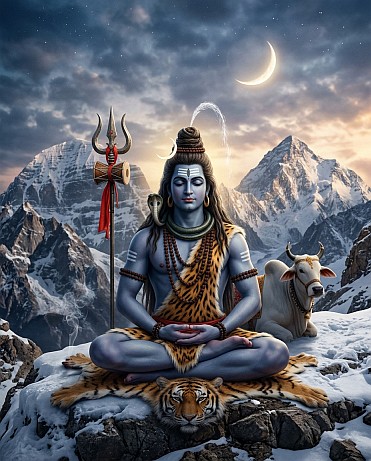
Summary : This soulful hymn addresses Lord Shiva as the compassionate ruler of Kailash and the beloved husband of Goddess Parvati. It vividly portrays His ascetic form, draped in a tiger skin and adorned with coiled serpents, a garland of skulls, and a poison-stained blue throat. The text details His cosmic attributes, including His reddish matted locks holding the crescent moon and His sacred Ardhanarishwara form shared with Parvati. Ultimately, the devotee surrenders at His lotus feet, pleading for a divine vision to instantly dispel all worldly sorrows.
Pallavi : A direct prayer addressing Lord Shiva by His powerful and compassionate names (Eesha, Mahesha, Shambho). He is praised as the ultimate embodiment of mercy (Dayapara) and the beloved husband of Goddess Parvati (Parvathi Prananatha).
Anupallavi : The poet honors Shiva as the divine resident of the sacred Mount Kailash (Kailasa Vasa) and the one who cleanses devotees of their darkest sins and life's taints (Karikalmasha Para). Identifying Him as absolute liberation itself (Kaivalya Murthe), the devotee surrenders completely and meditates deeply upon His lotus feet.
Charanam 1: This verse focuses on the Lord’s lower attire, posture, and feet. It describes Him adorned with sacred waistbands/beads, wrapped in a traditional tiger-skin garment (pulithol) around His thighs, and associates Him with the descending, dual flows of the holy River Ganges. The poet pleads for a clear, blessed vision of His divine legs and the beautifully aligned toenails of His lotus feet.
Charanam 2 : A vivid depiction of Shiva's iconic, contrasting ascetic ornaments. The poet desires to witness and hold in their heart the image of the crescent moon (Ambili) paired with pristine white Thumba flowers in His matted hair, poisonous snakes coiling around His body alongside a garland of skulls (Munda Mala), the fiery spark of His third eye, the blue poison retained safely in His throat (Giralam), and His glowing, reddish locks (Chenjida).
Charanam 3 : This verse highlights the Lord’s gentle, reassuring smile (Mandasmitham) and the objects He holds—the battle-axe (Mazhu) and the leaping deer (Marimaan)—while draped in an elephant hide (Maatthanga Charma). It beautifully transitions to describe His Ardhanarishwara form, praying to behold the left half of His body (Vaamabhaagam) which is gracefully shared with and honored by the daughter of the mountains, Goddess Parvati.
Charanam 4 : Addressing Him in His fierce aspect as Chandeesha, the poet describes the striking beauty of His countenance. His ears are adorned with earrings (Kundalam) made of coiled serpents, casting a brilliant glow over His ears and neck. The hymn concludes with a deep plea to be granted the sight of this glorious divine form, which instantly dispels all worldly sorrows, anxieties, and spiritual distress (Indal).
|