കീർത്തനം - ഗം ഗണപതേ മാം പാലയാ ഗൗരി തനയാ
|
ഗം ഗണപതേ മാം പാലയാ ഗൗരി തനയാ
രാഗം - മോഹനം
താളം - ആദി
കീർത്തനം
ദേവത - ഗണപതി
രചന - കൊട്ടാരം സംഗീത് മാരാർ
| 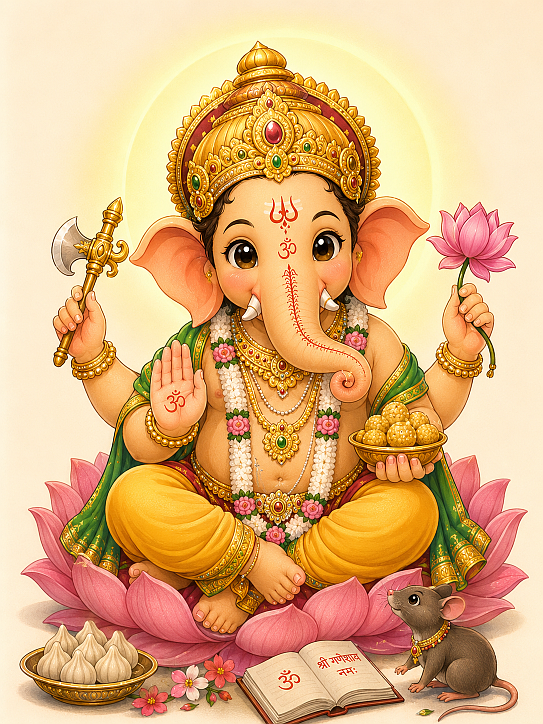 | Gam ganapathe maam paalaya Gauri tanaya
Ragam - Mohanam
Thalam - Aadi
Keerthanam
Deity - Ganapathi
Lyrics - Kottaram Sangeeth Marar
|
|പല്ലവി|
ഗം ഗണപതേ മാം പാലയാ ഗൗരി തനയാ
ഗണ്ഡലി പ്രിയനെ സര്വ്വേശാ
|ചരണം-1|
ഗീതാവാദ്യമിടയ്ക്ക ചേര്ത്തടിയന്
പുലമ്പും അപശ്രുതിയ്ക്കൊരു
ഖ്യാതി പകര്ന്നുടനാഭ വരുത്തി
അതൃപ്തി വരാതുടൻ അരുളുക മധുരം.
|ചരണം-2|
വിണ്ണലുള്ളോരെല്ലാം സന്തതം നിന്റെ
തൃപ്പാദം കണ്ണിലര്പ്പിച്ചല്ലോ നമിപ്പൂ
അര്ണ്ണവത്തിലുറങ്ങുമീശനും
പര്കളത്തിലുണര്ന്നിരിപനും
വിണ്ണവര് രാജനും അര്ണ്ണവരാജനും
അരുണവരുണനുദയകിരണവന്ദിത
|ചരണം-3|
മാതളപ്പഴംപോല് മാധുര്യം തെല്ലില്ലാതുള്ള
തൂലിക തോന്നിച്ച വാക്കുകള്
കോര്ത്തു ചേര്ത്തൊരു മാല്യമായ്
തവ വീര്ത്തകണ്ഠമണയ്ക്കുവാനൊരു
മോഹവുമായുടന് ഓടി അണഞ്ഞിവന്
ആര്ത്തി തീര്ത്തരുള്ക മദഗജവദന.
| |Pallavi|
Gam ganapathe maam paalaya Gauri tanaya
Gandali priyane sarvesha
|Charanam-1|
Geetha vaadyamidakka cherthadiyan
Pulambum apashruthiykkoru
Khyaathi pakarnnudanaabha varutthi
Athrupthi varaathudan aruluka madhuram.
|Charanam-2|
Vinnallullorellam santhatham ninte
Thruppaadam kannilarppicchalloo namippoo
Arnavathiluranggumeeshanum
Parkalathilunarnniripanum
Vinnavar raajanum arnavaraajanum
Arunavarunavudayakirana vanditha
|Charanam-3|
Maathalappazhamppol maadhuryam thellillaathulla
Thoolika thonnichha vaakkukal
Korthu cherthoru maalyamaay
Thava veerthakanthamanaikkuvaanoru
Mohamaayudan odi ananjivan
Aartthi theertharulka madagajavadana.
| |
Audio not available
| Singers: N.A.
| Audio reference : N.A.
|
Meaning
|
Summary : This is a devotional prayer to Lord Ganesha, the elephant-faced son of Goddess Gauri (Gauri Tanaya). The artist humbly offers his singing accompanied by the rhythmic beats of the Edakka, asking Ganesha to bless his faulty notes (apashruthi) and transform them into a sweet performance. The verse describes Ganesha's supreme majesty, noting that even great gods like Shiva, Vishnu, Indra, Varuna, and the Sun God bow down to his holy feet. Rather than presenting a refined literary work, the singer offers his humble words like a simple garland, begging the elephant-faced deity to quench his spiritual thirst and grant protection. While no specific physical temple site is mentioned by name, the hymn reflects the intimate, ritualistic tradition of temple Sopana Sangeetham.
Pallavi : A heartfelt invocation to Lord Ganesha, the beloved son of Goddess Gauri and the supreme Lord of all. The artist begs Ganesha to protect and guide him.
Charanam 1 : The artist humbly acknowledges his own human imperfections. Playing the traditional Edakka instrument alongside his singing, he admits his song might sound like rambling with incorrect notes (apashruthi). He prays to Ganesha to miraculously transform his faulty singing into something graceful, famed, and sweet, ensuring the audience and the divine feel no dissatisfaction.
Charanam 2 : This verse describes the immense grandeur of Ganesha, whom everyone in the heavens constantly bows to with deep devotion. Even supreme deities—Lord Vishnu (who sleeps on the ocean), Lord Shiva (who dwells in Mount Kailash), Lord Indra (king of the heavens), Lord Varuna (god of the oceans), and Surya (the sun god whose morning rays offer salutations)—revere and pay homage to Ganesha's holy feet.
Charanam 3 : The singer humbly compares his lyrics to words written by his pen that lack even a bit of the natural sweetness of a pomegranate (maathalappazham). Yet, with deep longing, he has strung these simple words into a garland, rushing to place it around Ganesha's majestic neck. He pleads with the elephant-faced Lord (Madagajavadana) to quench his deep spiritual thirst and bless him.
|