പദം - ഗൗരീശം മമ കാണാകേണം
|
ഗൗരീശം മമ കാണാകേണം
രാഗം - മോഹനം
താളം - മുറിയടന്ത
പദം ആട്ടക്കഥ - കിരാതം
ദേവത - ശിവൻ
രചന - ഇരട്ടക്കുളങ്ങര രാമ വാരിയർ
|  | Gaureesham mama kaanaakenam
Ragam - Mohanam
Thaalam - Muriyadath
Padam - Kiradham
Deity - Shiva
Lyrics - Irattakulangara Rama Warrier
|
|പല്ലവി|
ഗൗരീശം മമ കാണാകേണം ശുഭ-
ശുഭ ഗൗരാഭം തിരുമെയ് മുഴുവൻ
|അനുപല്ലവി|
ശൗരിവിരിഞ്ചപുരന്ദരമുഖ്യ
സുരാസുരസർവ്വ ചരാചര വന്ദ്യം
|ചരണം-1|
കുടിലത്തിങ്കളും ജടമുടിയിടയിൽ സുര-
തടിനിയും കൊടിയ പന്നഗമണിയും
മടുമലർശരൻ തന്റെ പടുത വേർപെടുത്തോരു
നിടിലച്ചെങ്കനൽ തൊടുകുറിചേർന്നു വിളങ്ങുന്ന
|ചരണം-2|
ഉരഗകാഞ്ചികൾ മിന്നും തനുമദ്ധ്യവരവും നൂ-
പുരമഞ്ജീരവുംചേരും പുറവടിയും
ഉരുതരഭുവനങ്ങൾ പരിപാലിച്ചരുളുന്ന
പരമശ്രീപാദയുഗ്മ സരസിജങ്ങളും നിത്യം
| |Pallavi|
Gaureesham mama kaanaakenam shubha-
Shubha gauraabham thirumey muzhuvan
|Anupallavi|
Shauri virincha purandara mukhya
Suraasura sarva charaachara vandhyam
|Charanam-1|
Kudila tthingalum jataamudiyidayil sura-
Thadiniyum kodiya pannagamaniyum
Madumalar sharan thante padutha verpedutthoru
Nidilacchenkanal thodukuri chernnu vilangunna
|Charanam-2|
Uruga kaanchikal minnum thanumadhyavaravum noo-
Puramanjeeravum cherum puravadiyum
Uruthara bhuvanangal paripaaliccharulunna
Parama shreepaadayugma sarasijangalum nithyam
| |

| Singer : Kaavil Unnikrishnan Warrier
| Audio reference :
 |
Meaning
|
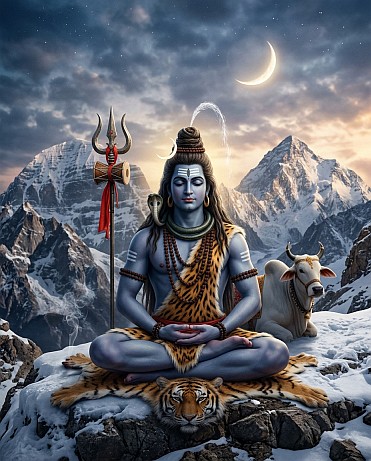
Summary : This devotional padam is from the famous Kathakali play Kiratham, written by the 18th-century poet Irattakulangara Rama Warrier. Set during the Pandavas' exile in the Mahabharata, the play follows Arjuna as he undergoes rigorous forest penance to earn Lord Shiva's divine weapon, the Pasupathastra. Deep in meditation, Arjuna sings this padam to express his intense longing to behold Lord Shiva's radiant, pure-white form, which is revered by supreme deities like Vishnu and Brahma. He paints a vivid head-to-toe visualization of Shiva, describing the crescent moon and celestial Ganges in his matted hair, the third eye that incinerated Kamadeva, and his serpent-adorned body. Meditating on the Lord’s lotus feet—which sustain and protect all the worlds in the universe—Arjuna surrenders his mind in complete surrender, praying for an uninterrupted divine vision to fulfill his spiritual quest.
Pallavi: The devotee expresses a deep, longing desire to behold Lord Shiva (Gaureesha), praying to see his divine form radiating an auspicious, pure white glow (gauraabham) across his entire sacred body.
Anupallavi: It highlights the supreme status of Lord Shiva, describing him as the one who is revered and worshipped by the primary gods—Vishnu (Shauri), Brahma (Virincha), and Indra (Purandara)—as well as all devas, asuras, and every living and non-living creature in the cosmos.
Charanam 1: This verse paints a vivid image of Shiva's iconographic form: the curved crescent moon (kudila tthingal) and the celestial river Ganges (surathadini) resting in his matted hair, alongside formidable serpents worn as ornaments. It also praises his forehead adorned with red mark/sandal, where his fierce third eye burned the pride and skill of Kamadeva (the god of love, who carries flower arrows) to ashes.
Charanam 2: The final verse focuses on his divine waist adorned with glistening serpent waistbands, his sacred feet fitted with anklets, and his holy lotus feet (paadayugma sarasijangal) that continuously protect and sustain all the expansive worlds. The devotee wishes to keep these divine feet in mind daily.
|