കീർത്തനം-കരുണാശീലേ കാർത്ത്യായനീ
|
കരുണാശീലേ കാർത്ത്യായനീ
രാഗം - രാഗമാലിക (ബേഗഡ /മധ്യമാവതി)
താളം - ആദി
കീർത്തനം
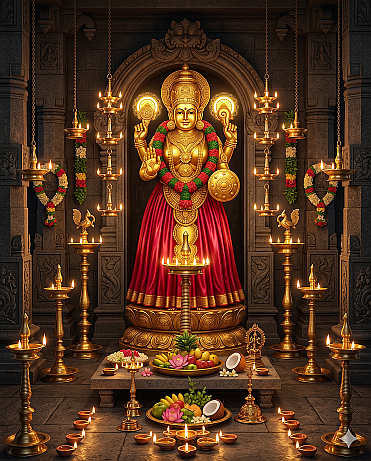
ദേവത - ഭഗവതി (കുമാരനെലൂർ )
രചന - അജ്ഞാതം
|  | Karunaasheele Kaarthyaayani
Ragam - Raagamalika (Begada, Madhyamavati)
Thaalam - Aadi
Keerthanam
Deity - Bhagavati (Kumaraneloor)
Lyrics - Unknown
| |
|ശ്ലോകം|
ശങ്കുണ്ട് ഇടത് മറുപാടൊരു ചക്രം ഉണ്ട്
കാലിൽ ചിലബു ചിലമുത്തു ഭടം കഴുത്തിൽ
ഓടിട്ടു വന്നു കുടികൊണ്ട കുമാരനെലൂർ
കാർത്യായനി ശരണം എന്നും നിഹ കൈതൊഴുന്നേൻ ||
|പല്ലവി|
കരുണശീലേ കാർത്ത്യായനി
കലിനാശിനീ ദേവി മായേ
|അനുപല്ലവി|
അരുണദിവാകര രുചിരുചിരാംബര
ധാരിണീപരമേശ്വരി മായേ
(കരുണശീലേ...)
|ചരണം-1|
പരമശിവേതവ ചരണസരോരുഹ
പരിചരണേഗതി തരണേ സുഷമേ
പരിണത ശശി മുഖി പന്നഗ വരധര
വരദയിതേ സുര വന്ദിത ചരണേ
(കരുണശീലേ...)
|ചരണം-2|
ഭക്തജനപരിപാലന നിപുണേ
മുക്തിവിധായിനി മോഹനരൂപേ
മത്തമദംഗജ മാനിതഗമനേ
നിസ്തുല വിക്രമ നിർജ്ജിത മഹിഷേ
(കരുണശീലേ...)
|ചരണം-3|
മുനിജനമാനസ മുദിത സരോരുഹ
വിനിഹിത ചരണേ വിമലേഗൗരീ
അനുദിനമംബ കുമാരപുരേശ്വരി
തനുതേ തവപദ ദാസൻ നമസ്തേ
(കരുണശീലേ...)
| |Shlokam|
Shankhundu idathu marupaadoru chakram undu
Kaalil chilambu chilamuthu bhatam kazhuthil
Oadittu vannu kudikonda kumaaraneloor
Kaarthyaayani sharanam ennum niha kaithozhunnen ||
|Pallavi|
Karunaasheele Kaarthyaayani
Kalinaashinee Devi Maaye
|Anupallavi|
Arunadivaakara ruchiruchiraambara
Dhaarineeparameshwari Maaye- (Karunaa…)
|Charanam-1|
Paramashivetava charanasaroruha
Paricharaneghati tharane sookshme
Parinatha shashi mukhi pannaga varadhara
Varadayithe sura vandhitha charane (Karunaa…)
|Charanam-2|
Bhakthajanaparipaalana nipune
Mukthividhaayini mohanaroope
Matthamadangaja maanithagamane
Nisthula vikrama nirjjitha mahishe (Karunaa…)
|Charanam-3|
Munijanamaanaasa muditha saroruha
Vinihitha charane vimale gauri
Anudinamamba kumaarapureshwari
Thanuthe thavapada daasan namasthe (Karunaa…)
| ||
Version -1
| 
| Singer : Balakrishnan Madakkappillil
| Audio reference :
 |
Version - 2
|
| Singer : Eloor Biju
| Audio reference :
|
Meaning
|
Summary : This is a devotional hymn dedicated to Goddess Kaarthyaayani (a form of Durga or Bhagavathi), praising her divine attributes, her protective nature, and seeking her grace.
Shloka : This shloka praises the unique iconography and legend of the Kumaranalloor Kaarthyaayani Temple. It describes the Goddess holding a sacred conch shell (Shankhu) in her left hand and a discus (Chakra) in her right, while being adorned with tinkling anklets and pearl necklaces. The sloka specifically references the famous local legend of how the Goddess arrived in haste (Oadittu vannu) to settle in Kumaranalloor, and concludes with the devotee bowing down in total surrender to seek her refuge.
Pallavi : O Goddess Kaarthyaayani, you who are the very embodiment of compassion (Karunaasheele)! O Divine Mother, the illusion (Devi Maaye), who destroys the evils and sins of the dark age of Kali (Kalinaashinee), I pray to you.
Anupallavi : O Supreme Goddess (Parameshwari), you wear garments that radiate with the brilliant, beautiful glow of the rising morning sun (Arunadivaakara ruchiruchiraambara dhaarinee).
Charanam 1 : O auspicious consort of Shiva (Paramashive), serving your lotus-like feet (charanasaroruha paricharane) is my ultimate refuge and path to salvation. You are the subtle cosmic energy (sookshme), with a face as beautiful as the full moon (parinatha shashi mukhi). You are adorned by the king of serpents (pannaga varadhara), the giver of boons (varadayithe), and your feet are worshiped by the celestial gods (sura vandhitha charane).
Charanam 2 : You are highly skilled in protecting and nurturing your devotees (bhakthajanaparipaalana nipune), the granter of liberation (mukthividhaayini), and possess an enchanting, beautiful form (mohanaroope). Your majestic gait is celebrated like that of a royal elephant (matthamadangaja maanithagamane), and with incomparable valor, you completely vanquished the demon Mahishasura (nisthula vikrama nirjjitha mahishe).
Charanam 3 : You place your divine feet within the joyful, lotus-like hearts of sages and ascetics (munijanamaanaasa muditha saroruha vinihitha charane). O pure one (vimale), O Goddess Gauri! O Mother, the presiding deity of Kumaarapuram (kumaarapureshwari), your humble servant bows daily at your divine feet (anudinamamba... thanuthe thavapada daasan namasthe).
|