അഷ്ടപദി - പശ്യതി ദിശി ദിശി രഹസി ഭവന്തം
|
പശ്യതി ദിശി ദിശി രഹസി ഭവന്തം
രാഗം - ശങ്കരഭരണം
താളം - ആദി
അഷ്ടപദി-12
ദേവത - കൃഷ്ണൻ
രചന - കവി ജയദേവ
|  | Pashyati dishi dishi ra
Raagam - Sankarabharanam
Thaalam - Aadi
Asthapati-12
Deity - Krishna
Lyrics - Poet Jayadeva
|
|ശ്ലോകം|
അഥ താം ഗന്തും ആസക്തം –
ചിരം അനുരക്താം ലതാ-ഗൃഹേ ദൃഷ്ട്വാ |
തചരിതം ഗോവിന്ദേ മനസിജ-മണ്ഡേ സഖീ പ്രാഹ ||
|പല്ലവി|
പശ്യതി ദിശി ദിശി രഹസി ഭവന്തം
ത്വദ്-ധര-മധുര-മധുനി പിബന്തം
|ധ്രുവപദം|
നാഥ ഹരേ, ജഗന്നാഥ ഹരേ - സീദതി രാധാ വാസ-ഗൃഹേ നാഥ ഹരേ... |1|
|ചരണം-1|
ത്വദ്-അഭി സാരണരഭ - സേന വാലന്തി
പതതി പതാനി - കിയന്തി ചലന്തി
നാഥ ഹരേ, ജഗന്നാഥ ഹരേ |2|
|ചരണം-2|
വിഹിത-വിഷാദ-ബിസ - കിസലയ-വലയ
ജീവതി പരം ഇഹ - തവ രതി-കലയാ
നാഥ ഹരേ, ജഗന്നാഥ ഹരേ |3|
|ചരണം-3|
മുഹൂർ അവലോകിത, മന്ദന-ലീല
മധു-രിപുരഹം ഇതി, ഭാവന-ശീല
നാഥ ഹരേ, ജഗന്നാഥ ഹരേ |4|
|ചരണം-3|
ത്വരിതം ഉപൈതി ന - കഥം അഭിസാരം
ഹരിരിതി വദതി -സഖീം അനുവാരം
നാഥ ഹരേ, ജഗന്നാഥ ഹരേ |5|
|ചരണം-4|
സ്ലിഷ്യതി ചുംബതി - ജല-ധാര-കൽപം
ഹരിരൂപഗത ഇതി - തിമിരം അനൽപം
നാഥ ഹരേ, ജഗന്നാഥ ഹരേ |6|
|ചരണം-5|
ഭവതി വിളംമ്പിനി - വിഗലിത-ലജ്ജ
വിലപതി രോദിതി - വാസക-സജ്ജാ
നാഥ ഹരേ, ജഗന്നാഥ ഹരേ |7|
|ചരണം-6|
ശ്രീ-ജയദേവ-കവേർ ഇതം ഉദിതം
രസിക-ജനം തനുതാം അതിമുദിതം
നാഥ ഹരേ, ജഗന്നാഥ ഹരേ |8|
| |Shlokam|
Atha taam gantum aashaktam
Chiram anuraktaam lata-grihe drishtvaa
Tach-charitam Govinde manasija-mande sakhi praaha
|Pallavi|
Pashyati dishi dishi rahasi bhavantam
Tvad-adhara-madhura-madhuni pibantam
|Dhruvapadam|
Naatha Hare, Jagannaatha Hare
Seedati Raadhaa vaasa-grihe
Naatha Hare
|Charanam 1|
Tvad-abhisaarana-rabhasena valantee
Patati padaani kiyanti chalantee
Naatha Hare, Jagannaatha Hare
|Charanam 2|
Vihita-vishaada-bisa-kisalaya-valayaa
Jeevati param iha tava rati-kalayaa
Naatha Hare, Jagannaatha Hare
|Charanam 3|
Muhur avalokita-mandana-leelaa
Madhu-ripur aham iti bhaavana-sheelaa
Naatha Hare, Jagannaatha Hare
|Charanam 4|
Tvaritam upaiti na katham abhisaaram
Harir iti vadati sakheem anuvaaaram
Naatha Hare, Jagannaatha Hare
|Charanam 5|
Shlishyati chumbati jaladhara-kalpam
Hari-rupagata iti timiram analpam
Naatha Hare, Jagannaatha Hare
|Charanam 6|
Bhavati vilambini vigalita-lajjaa
Vilapati roditi vaasaka-sajjaa
Naatha Hare, Jagannaatha Hare
|Charanam 7|
Shri-Jayadeva-kaver idam uditam
Rasika-janam tanutaam ati-muditam
Naatha Hare, Jagannaatha Hare
| |

| Singer : Balakrishnan Madakkappillil
| Audio reference :
 |
Meaning
|
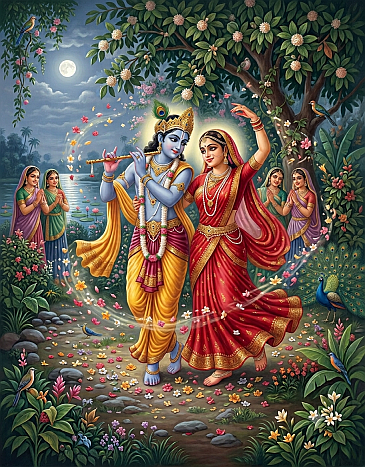
Summary : This song is the renowned 6th Ashtapadi from the 12th-century lyrical classic Gita Govinda, dedicated to Lord Krishna (Hari / Govinda / Jagannatha). The hymn depicts Radha's intense pangs of separation (viraha) as narrated to Krishna by her companion (sakhi), who describes how Radha languishes in the bower waiting for Him. Overwhelmed by longing, Radha gazes in all directions imagining Krishna tasting the nectar of her lips, collapses while trying to take a few steps to meet Him, and mistaking the dark rainclouds and shadows for Krishna Himself, embraces and kisses them in anguish. The song captures the pinnacle of divine love and spiritual yearning, imploring Lord Hari to alleviate her suffering. No specific earthly temple is mentioned in the verses.
Shlokam: Radha's friend sees her longing for Krishna and unable to leave the bower where she has waited for him. The friend describes Radha's emotional state to Krishna.
Pallavi: Radha looks anxiously in every direction, imagining Krishna secretly enjoying the sweetness of another woman's lips. She suffers from jealousy and separation.
Dhruvapadam: Radha languishes in her waiting chamber, calling upon Hari, the Lord of the universe, in her distress.
Charanam 1: In her eagerness to meet Krishna, Radha hurries towards their rendezvous but stumbles and loses her footing as she walks.
Charanam 2: Radha adorns herself with delicate ornaments made from lotus fibres and tender shoots. She sustains herself through memories and anticipation of intimacy with Krishna.
Charanam 3: Radha repeatedly examines her adornments and becomes absorbed in thoughts of Krishna, imagining their meeting and experiencing the emotions of love in his absence.
Charanam 4: She repeatedly asks her companion why Hari has not yet arrived for their secret rendezvous, unable to bear the delay.
Charanam 5: In the darkness, Radha imagines that Krishna has arrived. She embraces and kisses the darkness itself, mistaking it for her beloved.
Charanam 6: As the night advances and Krishna remains absent, Radha loses her shyness. Dressed and prepared for their meeting, she breaks down in lamentation and tears.
Charanam 7: The concluding verse identifies the composition as the work of the poet Jayadeva and expresses the wish that it bring great joy to sensitive listeners and lovers of poetry.
|