കീർത്തനം-ഋഷിനാഗകുളത്ത് വാണരുളീടുന്ന
|
ഋഷിനാഗകുളത്ത് വാണരുളീടുന്ന
രാഗം - രാഗമാലിക (കാംബോജി/മോഹനം/ഷണ്മുഖപ്രിയ)
താളം – ആദി
കീർത്തനം
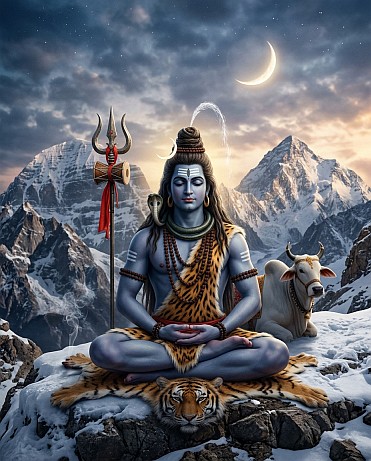
ദേവത - ശിവൻ (എറണാകുളത്തപ്പൻ)
രചന - രത്നവല്ലി ഗോകുലപാലൻ
|  | Rishinaagakulathu Vaanarulheedunna
Ragam - Raagamalika (Kamboji / Mohanam / Shanmukhapriya)
Thaalam - Aadi
Keerthanam
Deity - Shiva (Ernakulathappan)
Lyrics - Ratnavalli Gokulapalan
|
|പല്ലവി|
ഋഷിനാഗകുളത്ത് വാണരുളീടുന്ന
വൃഷഭ വാഹന ഗംഗാധര
|അനുപല്ലവി|
നാഗ ഋഷിയുടെ പാപം തീർക്കാനായി
പുണ്യ ജലത്തിൽ നിന്നു നീ ഉയർന്നു വന്നു
(ഋഷിനാഗകുളത്ത്...)
|ചരണം-1|
ചന്ദ്രശേഖര ചാരുകളെവരെ
ശങ്കര ഗൗരി വധനാബ്ജ ഭ്രിങ്ങ
സർവ രോഗ വിനാശ കാരക
സർവ്വാഭിഷ്ട പ്രദായക ശരണം
(ഋഷിനാഗകുളത്ത്...)
|ചരണം-2|
പാണ്ഡവർ തന്നുടെ താപ ത്രാണനാർത്ഥം
പാശു പദം പാർത്ഥൻ ഏകിയ ഭഗവാനെ
പാരിലെ ഭക്തർക്ക് ശാന്തി നൽകീടുവാൻ
പഞ്ഞ സ്വയംഭു ആയി ലസിച്ച മഹാദേവാ
(ഋഷിനാഗകുളത്ത്...)
| |Pallavi|
Rishinaagakulathu Vaanarulheedunna
Vrishabha Vaahana Gangaadhara
|Anupallavi|
Naaga Rishiyude Paapam Theerkkaanaayi
Punya Jalathil Ninnu Nee Uyarnnu Vannu
(Rishinaagakulathu...)
|Charanam-1|
Chandrashekhara Chaaruvalevara
Shankara Gauri Vadhanaabja Bhriga
Sarva Roga Vinaasha Kaaraka
Sarvvaabhishta Pradaayaka Sharanam
(Rishinaagakulathu...)
|Charanam-2|
Paandavar Thannude Thaapa Thraananaartham
Paashu Padham Paarthan Ekiya Bhagavaane
Paarile Bhaktharkku Shanthi Nalkeeduvaan
Panja Swayambhu Aayi Lasichha Mahaadeva
(Rishinaagakulathu...)
| |

| Singer : Balakrishnan Madakkappillil
| Audio reference :
 |
Meaning
|
Summary : This devotional hymn, is dedicated to Lord Shiva as the deity of the Ernakulam Shiva Temple (traditionally known as Rishinagakulam).
Pallavi: Salutations to Lord Shiva, who gracefully resides in the sacred land of Rishinagakulam! He is addressed by His divine attributes as the one who rides the holy bull Nandi (Vrishabha Vaahana) and bears the river Ganges in His matted hair (Gangaadhara).
Anupallavi: Relates the foundational legend of the temple town. The Lord out of supreme mercy rose from the sacred waters (Punya Jalathil) of the temple tank to liberate the cursed Sage Devala, known as the Serpent Sage (Naga Rishi or Rishi Nagam), from his snake form.
Charanam 1: Praises the enchanting look of the moon-adorned Lord (Chandrashekhara). He is described beautifully as the honeybee hovering over the lotus-like face of Goddess Gauri (Gauri Vadhanaabja Bhriga). The poet surrenders to Him as the absolute healer who destroys all illnesses (Sarva Roga Vinaasha Kaaraka) and fulfills every righteous desire (Sarvvaabhishta Pradaayaka).
Charanam 2: Recalls the Mahabharata legend where Lord Shiva shielded the Pandavas from their miseries. He tested Arjuna (Paarthan) in the forest and eventually blessed him with the ultimate cosmic weapon, the Pashupatastra. The verse glorifies Him as the self-manifested Lord (Swayambhu) who emerged natively from the earth to bestow eternal peace and serenity upon all His worldly devotees.
|